
Introduction to Healthy Snacking
Healthy snacking plays a crucial role in maintaining energy levels, supporting weight management, and providing essential nutrients. The key to choosing healthy snacks lies in selecting options that are balanced in macronutrients (protein, carbohydrates, and fats), rich in vitamins and minerals, and low in added sugars and unhealthy fats. Below are some fantastic choices across different categories:
Fruits and Vegetables
Apple Slices with Almond Butter: Apples are packed with fiber and vitamins, while almond butter provides healthy fats and protein.
Carrot Sticks with Hummus: Carrots are rich in beta-carotene, while hummus adds protein and healthy fats.
Mixed Berries: Berries like strawberries, blueberries, and raspberries are low in calories and high in antioxidants.
Celery with Peanut Butter: Celery is low-calorie and crunchy, and peanut butter offers protein and healthy fats.
Cucumber Slices with Cottage Cheese: Cucumber is hydrating and low in calories, and cottage cheese provides protein.
Nuts and Seeds
Mixed Nuts: A handful of mixed nuts (almonds, walnuts, cashews) provides healthy fats, protein, and fiber.
Chia Seed Pudding: Chia seeds are rich in omega-3 fatty acids and fiber; combine with milk and a sweetener of choice for a nutritious pudding.
Roasted Chickpeas: Chickpeas are high in protein and fiber; roast them with olive oil and spices for a crunchy snack.
Trail Mix: Make your own with nuts, seeds, and a small amount of dark chocolate for a satisfying sweet-savory combination.
Flaxseed Crackers: Flaxseeds are high in omega-3 fatty acids; pair flaxseed crackers with cheese for a balanced snack.
Dairy and Dairy Alternatives
Greek Yogurt with Honey and Fruit: Greek yogurt is high in protein; add honey and fresh fruit for sweetness and vitamins.
String Cheese: Provides protein and calcium in a convenient, portable form.
Kefir: A fermented dairy drink that supports gut health and provides protein and probiotics.
Almond Milk Smoothie: Blend almond milk with spinach, banana, and protein powder for a nutritious and filling snack.
Cottage Cheese with Pineapple: Cottage cheese is high in protein; pineapple adds sweetness and vitamins.
Whole Grains
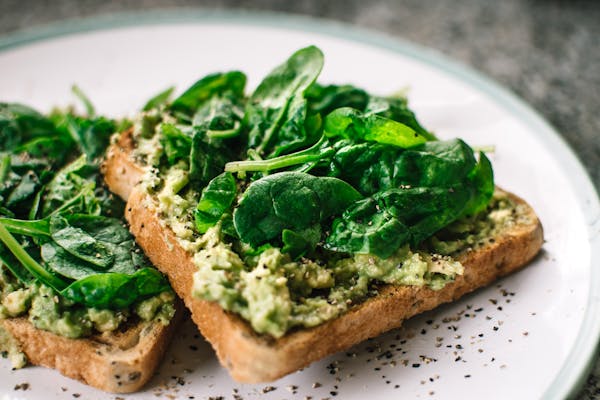
Whole Grain Crackers with Avocado: Whole grain crackers are high in fiber; avocado provides healthy fats and vitamins.
Popcorn: Air-popped popcorn is a whole grain; sprinkle with nutritional yeast for a cheesy flavor without added calories.
Whole Wheat Toast with Mashed Banana: Whole wheat toast offers fiber; mashed banana adds natural sweetness and potassium.
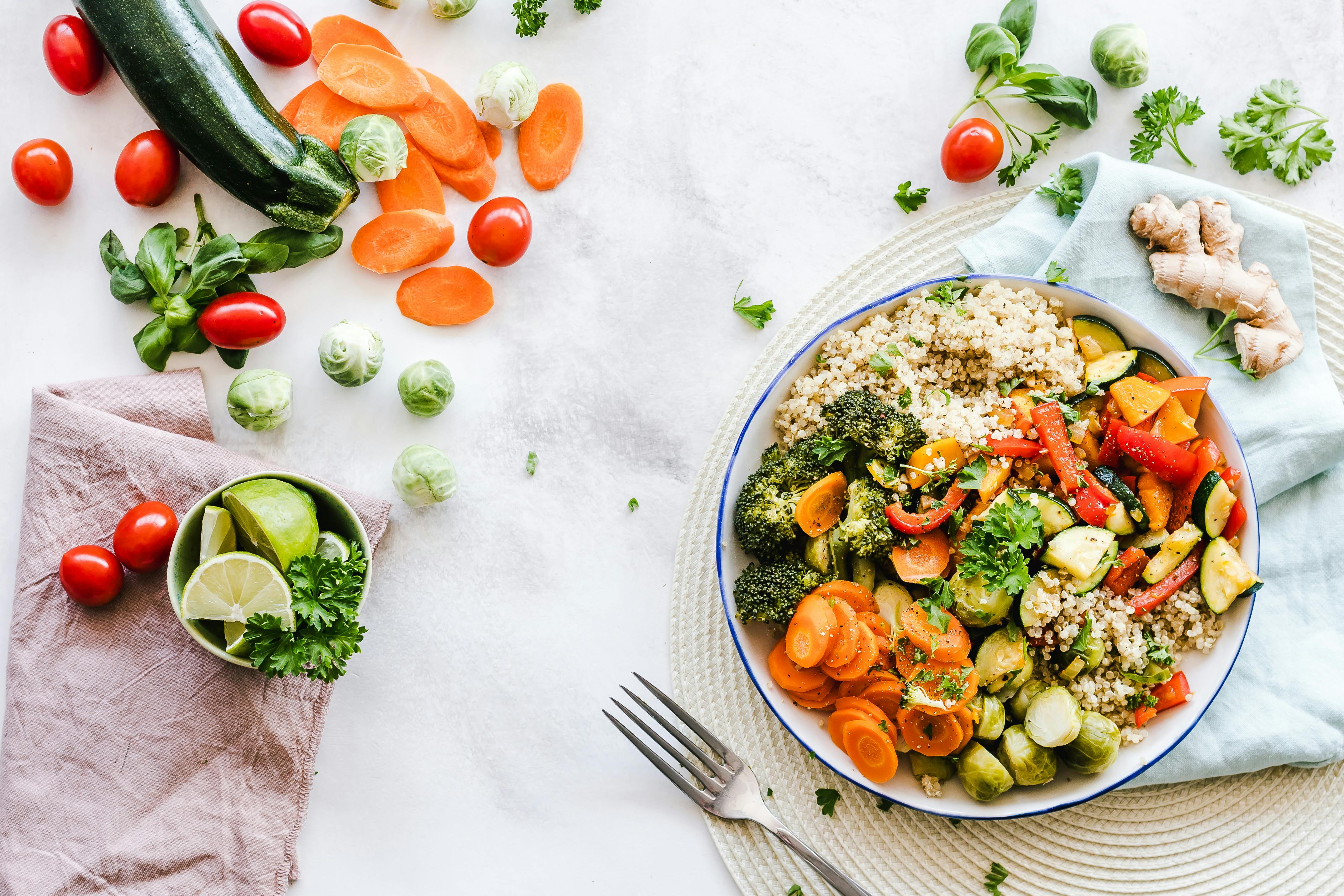
Quinoa Salad: Quinoa is a complete protein; mix with vegetables and a light vinaigrette for a refreshing snack.
Oatmeal: Cooked oats are high in fiber; top with berries and a drizzle of honey for a satisfying snack.
Protein-Rich Options
Hard-Boiled Eggs: Eggs are a complete protein; sprinkle with salt and pepper for a simple snack.
Turkey Roll-Ups: Roll turkey slices with cheese and spinach for a protein-packed snack.
Edamame: Steamed edamame pods are rich in protein and fiber; sprinkle with sea salt for a nutritious snack.
Tuna Salad: Mix canned tuna with Greek yogurt and celery for a high-protein, low-calorie snack.
Chicken Skewers: Grilled chicken skewers with vegetables provide protein and essential nutrients.
Healthy Beverage Choices
Green Tea: Provides antioxidants and a mild caffeine boost without the calories.
Infused Water: Add fruits like lemon, lime, or berries to water for a refreshing drink without added sugars.
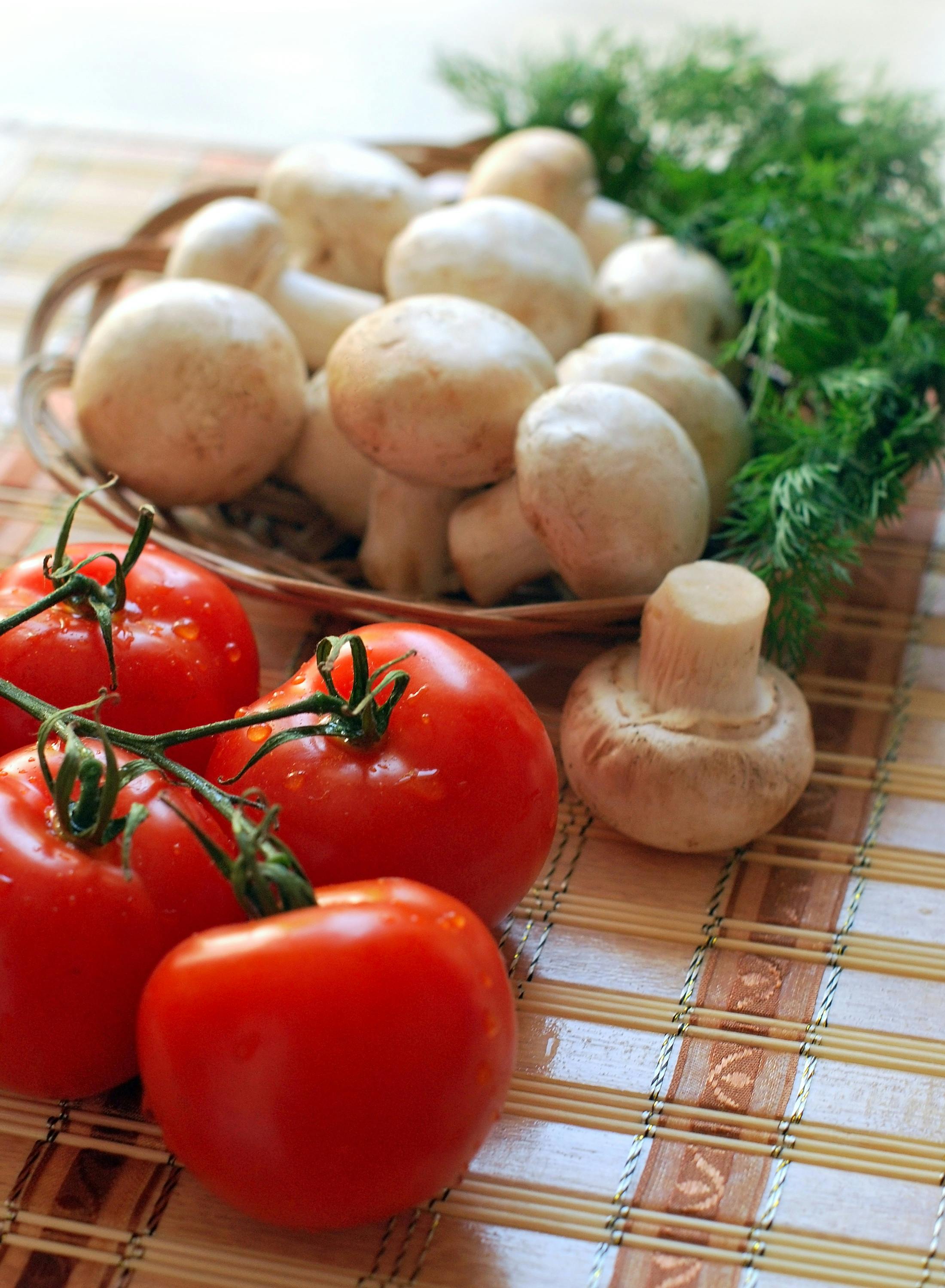
Vegetable Juice: Make your own with spinach, carrots, and tomatoes for a nutrient-packed beverage.
Coconut Water: Naturally hydrating and rich in electrolytes; choose unsweetened varieties.
Sparkling Water with Citrus: A bubbly and refreshing drink with a hint of natural flavor.
Tips for Healthy Snacking
Portion Control: Even healthy snacks should be consumed in moderation to avoid excess calorie intake.
Stay Hydrated: Often, thirst can be mistaken for hunger. Drink water throughout the day.
Plan Ahead: Prepare snacks in advance to avoid reaching for unhealthy options when hunger strikes.
Read Labels: Be mindful of added sugars, sodium, and unhealthy fats in packaged snacks.
Listen to Your Body: Pay attention to hunger and fullness cues to avoid mindless snacking.
Conclusion
By incorporating these healthy snack options into your daily routine, you can fuel your body with essential nutrients and maintain energy levels throughout the day. Whether you prefer fruits and vegetables, nuts and seeds, dairy products, whole grains, protein-rich options, or healthy beverages, there are plenty of delicious and nutritious choices to satisfy your snack cravings. Remember, the key to healthy snacking is balance and moderation.